Tsinghua University has recently completed the energy-efficient restoration of Zhu Ziqing’s Former Residence (North Courtyard No.16)—marking the first known application of aerogel insulation in a protected historic building in China.
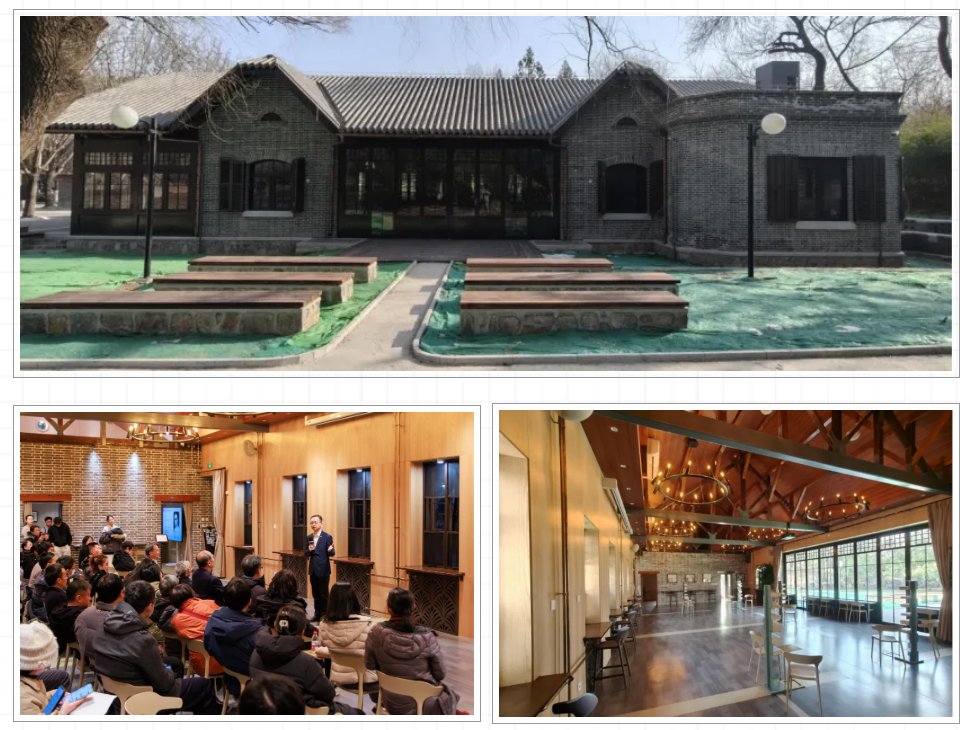
The project addressed a classic dilemma in heritage conservation: How can we significantly improve thermal performance and reduce energy consumption without altering historical fabric?
The answer came from aerogel—an ultra-light, nanoporous material with one of the lowest thermal conductivities among solid materials.
With only one-third the thickness of conventional insulation, aerogel delivers superior thermal performance while meeting A-class non-combustibility and environmental safety standards—making it uniquely suitable for heritage buildings where space and intervention must be minimized.
After a rigorous selection process, IBIH was appointed as the exclusive insulation solution provider.
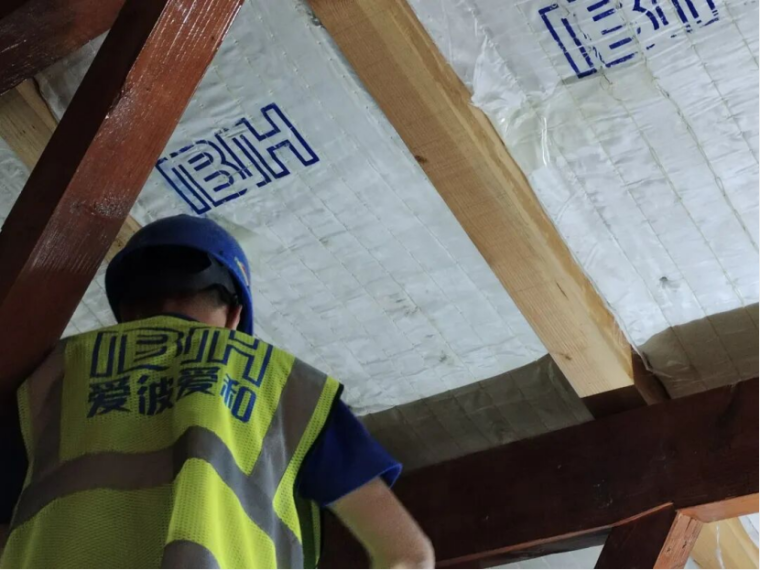
Working closely with architects and conservation specialists, IBIH engineers developed a customized aerogel system tailored to the residence’s fragile wooden roof structure and masonry walls. The material was discreetly installed within wall cavities and roof rafters—creating an invisible, ultra-thin thermal barrier that preserves every visible historic element.
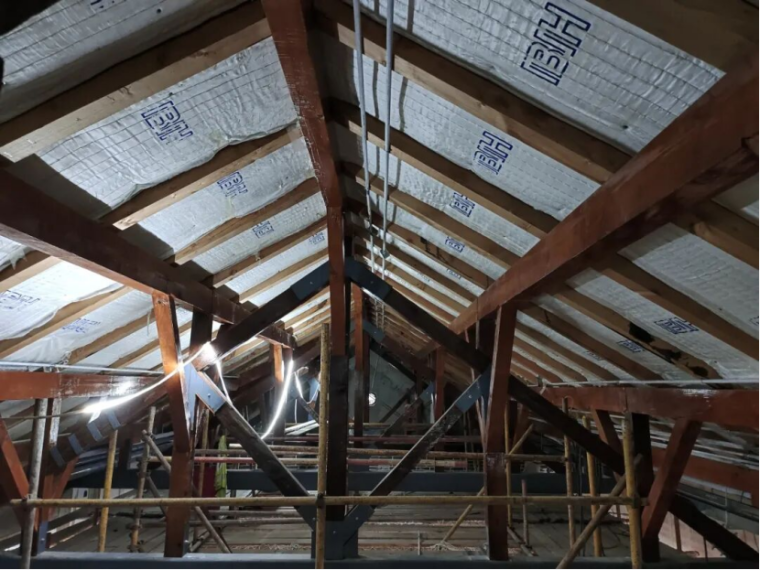
This project represents more than a single building retrofit.It demonstrates that cutting-edge green materials can respectfully and intelligently safeguard cultural heritage, offering a replicable path for the sustainable revitalization of historic buildings. IBIH is honored to contribute its aerogel expertise to this landmark project and to the broader preservation of Tsinghua’s historic campus.